
We often frame business success in grand terms: the breakthrough innovation, the
landmark deal, the visionary leader. But what if the most powerful catalyst for growth is
something more mundane? Often it’s as simple as providing greater convenience.
In today’s landscape, convenience shouldn’t necessarily be seen as a luxury, but it
absolutely should be seen as a strategic asset. It’s the framework that allows talent to
thrive and businesses to focus on what they do best, free from the draining friction of
logistical overheads and unnecessarily tedious commutes.

The High Cost of Inconvenience
The traditional CBD workspace model often comes with a hidden tax that is paid in both
time and mental energy. A long, stressful daily commute is more than just an hour lost;
it’s a drain on cognitive resources and employee wellbeing. Studies show that the
flexibility and community offered by coworking spaces are directly linked to improved employee wellbeing and performance.
When your team spends hours in traffic or on crowded trains, they arrive at work
depleted. They have less capacity for deep, focused work and creative problem-solving.
This “convenience deficit” directly impacts your bottom line by stifling the very
productivity you need to grow.
The Strategic Pivot to Proximity
The most forward-thinking businesses are now making a strategic pivot away from this
model and the data supports this move. Researchers from the University of Melbourne
and Western Sydney University examined the challenges employers and staL members
continue to face navigating the geographical work revolution, spurred on by the COVID-19 pandemic.
The research team interviewed more than 60 employees and industry executives from a
variety of sectors for a three-year research project. Based on the findings, Professor
David Bissell says that “by embracing diverse working environments, companies can
significantly boost employee productivity and improve staL wellbeing. We found
employees who have the freedom to work in spaces that cater to their unique individual
needs are more innovative in their day-to-day job.”
With this in mind, it’s no surprise that the smartest businesses in Melbourne are
choosing to establish their base in premium suburban workspaces, strategically located
closer to where their people actually live. The result? Time is transformed from a spent
resource into a capital one and the hours saved each week are reinvested into focused
work, professional development, or simply into personal wellbeing, leading to more
rested, engaged and productive employees.
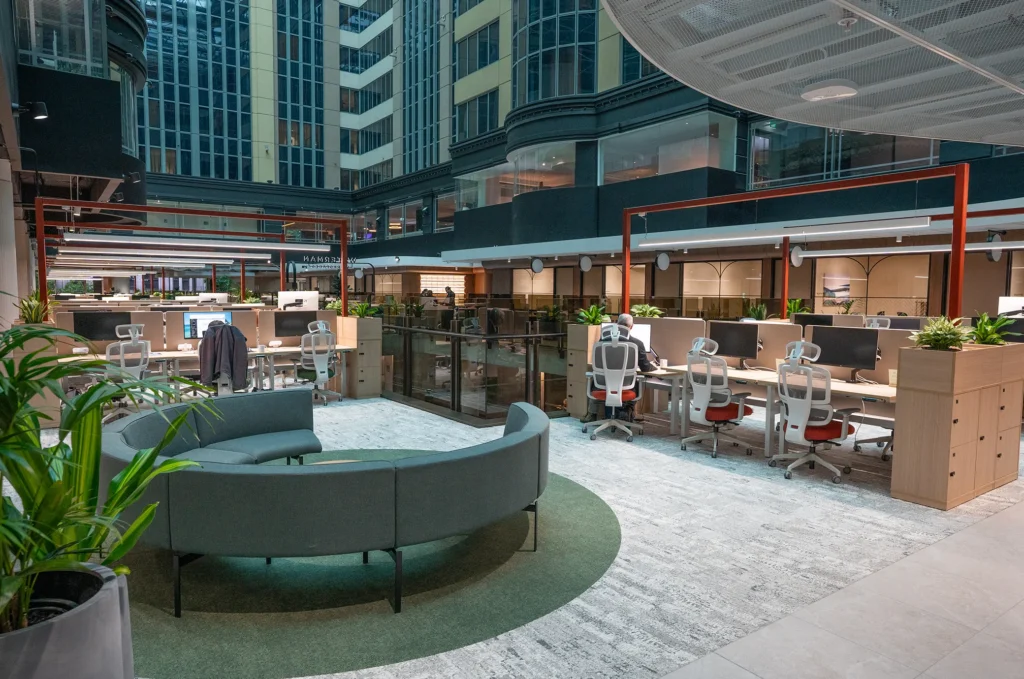
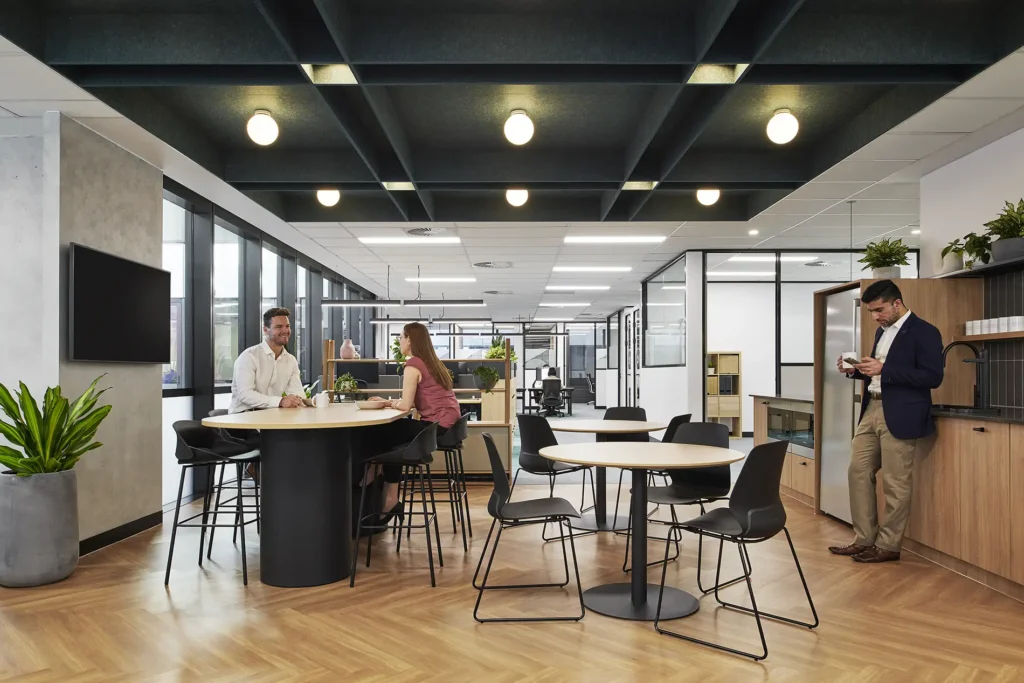
And it’s not just a theory; it’s what we see and measure at our Waterman shared
workspaces. In a recent survey of over 400 members, an overwhelming 97% of
business owners found it at least as productive as anywhere else, with 68%
reporting it was much more productive. This isn’t a coincidence. It’s the direct
outcome of designing work around human convenience.
Beyond the Commute: The Convenience of a Managed Environment
The convenience equation extends beyond geography. True strategic convenience is
about removing all non-essential burdens from a business leader’s plate.
How much mental energy does your team expend on office admin? From wasting time
managing internet outages, coordinating cleaners, or restocking the kitchen, the whole
team feels the weight of these tasks. But at Waterman, this infrastructure is seamlessly
managed. This creates what studies have referred to as a “resource-rich environment,”
providing the professional support and tools that enable businesses to operate more
effectively.
This operational convenience frees leaders to focus on strategy, client relationships,
and mentoring their teams. It’s why 99% of our business owners say being at
Waterman is at least as good for their team, with 73% saying it is noticeably
better. When you remove the friction, you create the conditions for people to do their
best work.
The Talent Advantage
In the war for talent, convenience is a powerful weapon. Offering a high quality,
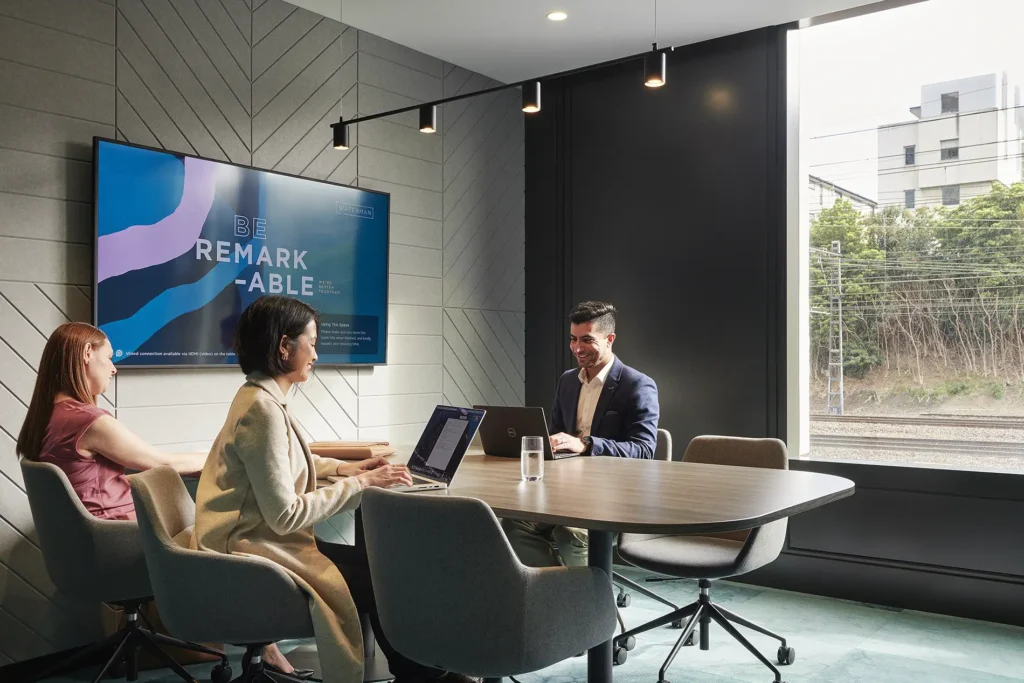
professional workspace that respects an employee’s time and wellbeing is a compelling benefit. It signals that you value their work-life balance, which we know is more important than pay for employees worldwide. Our own data supports this: 91% of our members say Waterman provides a supportive atmosphere for them and their staff to work in.
This supportive, convenient environment is key to attracting and retaining high calibre
staff who have more choices than ever about where and how they work.
The Bottom Line
Reframing convenience as a core business strategy is not just smart, it’s essential. By
choosing a workspace that prioritises proximity, managed services and a supportive
community, you aren’t just selecting a place to work. You are investing in a system
designed to convert saved time and reduced friction into sustained growth, innovation,
and success.
